Wood wool board are building boards made of wood wool fibres, water, and binding agents such as cement, caustic magnesia, and gypsum. These boards are used in a wide range of applications, including thermal insulation, acoustic insulation, and indoor decoration.
Wood wool acoustic board, also known as wood fiber or wood wool panels, are innovative construction and design materials primarily used for acoustic and decorative purposes. They are manufactured from a blend of wood fibers, cement, and water, resulting in a versatile and environmentally friendly product.
One of their main applications is improving room acoustics. These panels possess excellent sound absorption properties, making them valuable in spaces where noise control is essential—such as auditoriums, conference rooms, restaurants, and educational institutions. Their porous and fibrous structure traps sound waves, reducing echo and reverberation for a more pleasant auditory environment.
Wood Wool Cement Board is a multipurpose construction material offering superior characteristics and workability compared to other acoustic products. It is known for its high Noise Reduction Coefficient (NRC), good durability, and structural strength. The fiber, made specifically for acoustic treatment, typically includes pine wood combined with cement, lime, or magnesia binders.
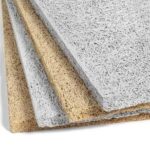
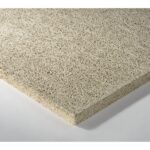
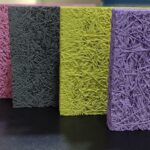


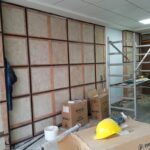
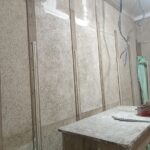
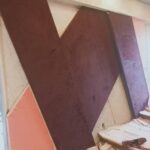
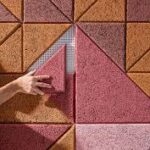
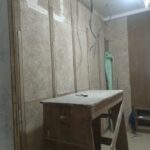
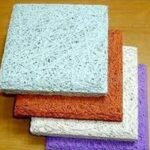
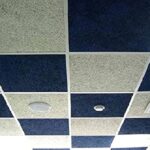
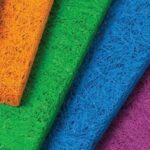
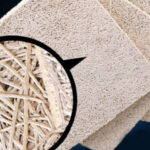
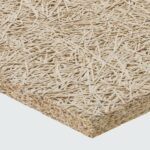
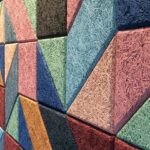
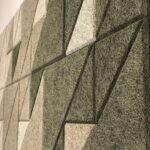
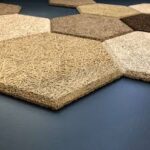
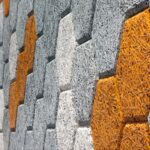
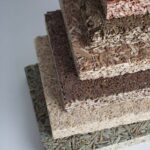
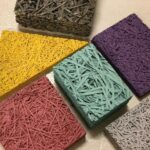
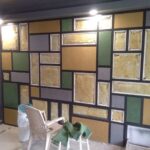
Wood Wool Acoustic Panels are a natural and effective solution for soundproofing and enhancing the acoustics of various spaces. Made from a combination of wood fibers and cement, these panels provide excellent sound absorption, noise control, and an aesthetically pleasing finish. They are ideal for use in offices, schools, auditoriums, concert halls, and other spaces where controlling noise and improving acoustics is essential.
Wood Wool Acoustic Panels are a versatile, sustainable, and effective solution for improving acoustics in a wide variety of spaces. Available in 12mm, 25mm, and 50mm thicknesses, they offer flexible sound control and aesthetic solutions tailored to your needs.
Due to its high timber content, the board is environmentally friendly, poses no disposal issues, and emits no harmful gases or vapors when burned. It provides effective acoustic insulation for walls, floors, and both flat and sloping roofs. When kept dry, it can be considered a permanent and safe construction material.
Material: Made from wood fibers bonded with cement, Wood Wool Acoustic Panels are durable, eco-friendly, and provide superior sound absorption properties.
Sound Absorption: These panels offer excellent NRC (Noise Reduction Coefficient), effectively absorbing sound across a wide range of frequencies, reducing echoes, reverberation, and improving speech clarity.
Thickness Options: Available in 12mm, 25mm, 50mm thicknesses, allowing for customized acoustic treatment based on the specific needs of the space.
Natural Look: The natural wood texture of these panels provides a rustic and organic look, enhancing the design of any space. The panels can be left in their natural finish or painted to match interior decor.
Fire Resistance: Wood Wool Acoustic Panels are naturally fire-resistant due to the cement binder and meet fire safety standards for commercial and residential use.
Durability: Resistant to moisture, mold, and mildew, these panels are highly durable and long-lasting, making them ideal for high-traffic areas or humid environments.
Size and Customization: Available in various sizes and thicknesses, Wood Wool Acoustic Panels can be customized to suit specific sound control needs and aesthetic preferences.
Offices: In open-plan offices, these panels help reduce background noise and improve speech clarity, leading to better communication and productivity.
Schools: In classrooms, they reduce noise levels and improve the learning environment by minimizing distractions and enhancing speech intelligibility.
Concert Halls and Auditoriums: These panels provide excellent sound absorption, helping to improve acoustics and prevent echoes, ensuring clear sound distribution throughout the space.
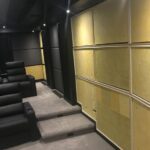
Home Theaters: They help reduce sound reflections and optimize the sound experience, creating a more immersive environment for watching movies or listening to music.
Public Spaces: In restaurants, cafes, and commercial lobbies, they reduce ambient noise, improving the comfort of both customers and staff.
Natural and Eco-Friendly: Made from sustainable wood fibers, these panels are an environmentally friendly option for acoustic treatment. Superior Sound Absorption: Provides excellent sound control by absorbing sound waves, reducing echoes, and improving speech intelligibility. Aesthetic Flexibility: Offers a natural, textured look that can be customized with various finishes, making it suitable for a wide range of design styles. Fire Safe: The cement binder gives these panels a fire-resistant quality, making them suitable for use in commercial and public spaces. Moisture and Mold Resistant: Ideal for high-humidity environments, these panels resist mold and mildew growth. Durable: These panels maintain their effectiveness over time and are resistant to wear and tear, ensuring long-lasting performance.
Rockwool, also known as mineral wool or stone wool, is a high-performance insulation material made from natural volcanic rocks such as basalt and diabase. It is commonly used for thermal, acoustic, and fire insulation in various residential, commercial, and industrial applications. Rockwool comes in different densities and thicknesses to meet diverse performance requirements.
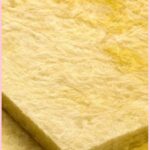
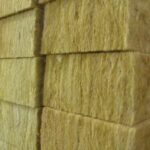
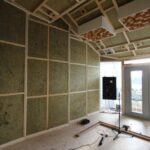
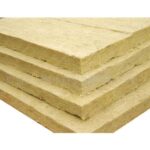
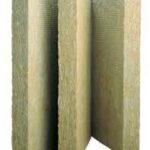
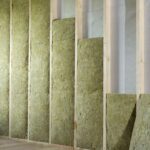
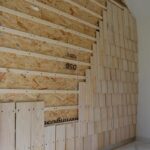
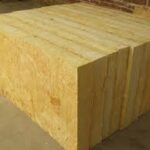
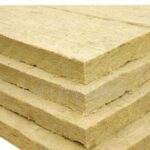
Rockwool, also known as mineral wool or stone wool, is a high-performance insulation material made from natural volcanic rocks such as basalt and diabase. It is commonly used for thermal, acoustic, and fire insulation in various residential, commercial, and industrial applications. Rockwool comes in different densities and thicknesses to meet diverse performance requirements.
Sound Absorption: Provides excellent soundproofing, reducing noise transmission across walls, ceilings, and floors. Thermal Insulation: Offers superior heat resistance, helping to maintain energy efficiency and regulate indoor temperatures. Fire Resistance: Naturally fire-resistant, it can withstand temperatures up to 1,000°C (1,832°F), ideal for fireproofing applications. Moisture Resistance: Resistant to water absorption, preventing mold and mildew growth. Durable: Long-lasting insulation, resistant to wear and tear. Eco-Friendly: Made from natural and abundant materials, often produced with recycled content.
Available Densities: 48 kg/m³: Lightweight, suitable for general thermal and acoustic insulation where moderate performance is required. 64 kg/m³: Offers a higher level of sound absorption and thermal insulation, used in more demanding acoustic environments. 96 kg/m³: High-density rockwool for maximum soundproofing, thermal resistance, and fire safety, ideal for commercial and industrial spaces. Available Thicknesses: 2 Inches: Provides basic insulation and soundproofing, suitable for areas with moderate requirements. 3 Inches: Offers enhanced sound and thermal insulation, ideal for medium to high-performance applications. 4 Inches: Maximum thickness for superior insulation properties, recommended for high-performance soundproofing, thermal insulation, and fireproofing.
Soundproofing: Used in residential, commercial, and industrial spaces to reduce noise transmission and improve acoustics. Thermal Insulation: Installed in walls, ceilings, and roofs to enhance energy efficiency and temperature regulation. Fireproofing: Used in fire-resistant walls and ceilings to limit the spread of flames. HVAC Systems: Insulates ducts and pipes to reduce noise and enhance energy efficiency. Rockwool, with its various densities (48, 64, 96 kg/m³) and thicknesses (2, 3, 4 inches), is an effective solution for improving soundproofing, thermal insulation, and fire resistance in a wide range of applications.
Glasswool, also known as fiberglass insulation, is a widely used material made from fine fibers of glass. It is commonly used in thermal and acoustic insulation applications due to its excellent properties in reducing heat transfer and sound transmission. Glasswool is produced by melting recycled glass and spinning it into fine, wool-like fibers that are then used in various applications across residential, commercial, and industrial sectors.
Glasswool is an excellent choice for both thermal and acoustic insulation needs, offering a balance of performance, cost-effectiveness, and environmental benefits. Its use in buildings ensures comfort, energy efficiency, and sound control.
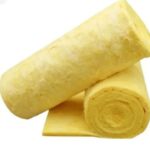
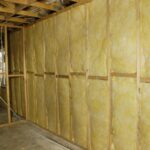
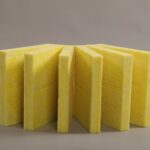
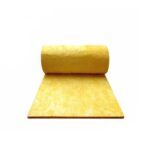
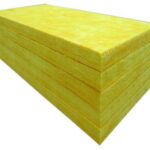
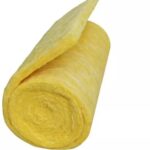
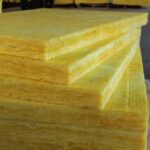
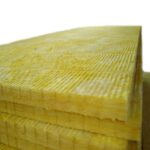
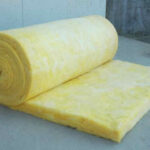
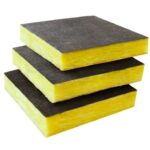

Glasswool, also known as fiberglass insulation, is a widely used material made from fine fibers of glass. It is commonly used in thermal and acoustic insulation applications due to its excellent properties in reducing heat transfer and sound transmission. Glasswool is produced by melting recycled glass and spinning it into fine, wool-like fibers that are then used in various applications across residential, commercial, and industrial sectors.
Glasswool is an excellent choice for both thermal and acoustic insulation needs, offering a balance of performance, cost-effectiveness, and environmental benefits. Its use in buildings ensures comfort, energy efficiency, and sound control.
Thermal Insulation: Glasswool provides exceptional thermal resistance, helping to maintain temperature stability and improve energy efficiency in buildings. Sound Absorption: Effective at reducing both airborne and impact sound, making it ideal for soundproofing walls, ceilings, and floors. Fire Resistance: Glasswool is non-combustible and can withstand high temperatures, providing a high level of fire protection. Lightweight: The material is light and easy to handle during installation. Moisture Resistance: It is resistant to moisture and does not support mold growth, ensuring long-term durability. Eco-Friendly: Typically made with recycled glass, making it an environmentally friendly choice for insulation. Flexible and Easy to Install: Glasswool can be cut and shaped easily to fit any area, making it versatile for different applications.
Thermal Insulation: Commonly used in walls, roofs, and attics to reduce heat transfer and improve energy efficiency in buildings. Soundproofing: Used in commercial and residential buildings to reduce noise transmission and improve acoustics. Fireproofing: Installed in fire-resistant walls and ceilings to prevent the spread of flames and improve fire safety. Uses: Used for insulating ducts, pipes, and air handling units to reduce sound and heat loss in heating and cooling systems.
Cost-Effective: Glasswool is generally affordable compared to other insulation materials, offering great performance at a lower cost. Effective Acoustic Treatment: It significantly reduces noise levels, enhancing room acoustics. Energy Efficiency: Helps reduce heating and cooling costs by providing excellent thermal insulation. Long-Lasting Performance: Glasswool is durable and maintains its performance over time.
Polyester wool is a synthetic, eco-friendly insulation material made from recycled polyester fibers. It is commonly used for soundproofing and thermal insulation applications. Polyester wool provides excellent sound absorption and thermal resistance, making it an effective solution for improving the acoustics and energy efficiency of a space.
Polyester wool is a versatile and sustainable material ideal for both improving acoustics and enhancing thermal comfort in a variety of settings.


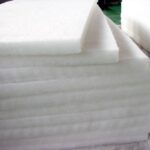


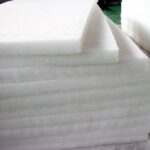
Polyester wool is a synthetic, eco-friendly insulation material made from recycled polyester fibers. It is commonly used for soundproofing and thermal insulation applications. Polyester wool provides excellent sound absorption and thermal resistance, making it an effective solution for improving the acoustics and energy efficiency of a space.
Polyester wool is a versatile and sustainable material ideal for both improving acoustics and enhancing thermal comfort in a variety of settings.
Sound Absorption: Excellent at reducing noise, especially in mid to high frequencies. Thermal Insulation: Helps regulate indoor temperatures by minimizing heat transfer. Eco-Friendly: Made from recycled polyester materials, it supports sustainability. Lightweight and Flexible: Easy to handle and install in various spaces. Durable: Resistant to moisture, mildew, and mold, ensuring long-lasting performance. Non-Toxic: Safe to handle and free from harmful chemicals.
Soundproofing: Used in walls, ceilings, and floors to improve room acoustics. Thermal Insulation: Installed in homes, offices, and commercial buildings to enhance energy efficiency. Building Construction: Common in residential, commercial, and industrial spaces for both sound and thermal control.
Mass Loaded Vinyl (MLV) is a highly effective soundproofing material designed to block and reduce sound ransmission. It is made from a combination of high-density materials, typically PVC (polyvinyl chloride) and other additives, that give it the mass needed to absorb and block airborne sound waves. MLV is flexible, durable, and easy to install, making it a popular choice in both residential and commercial soundproofing applications.
MLV is an effective solution for achieving high levels of sound isolation and is particularly useful in spaces where space is limited but high soundproofing performance is needed. It’s a great choice when combined with other soundproofing materials for a more comprehensive approach.
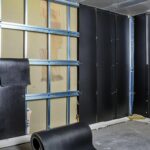
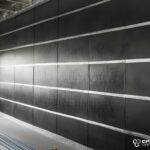
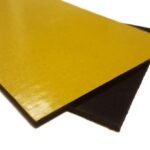
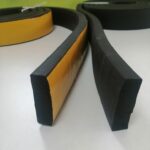
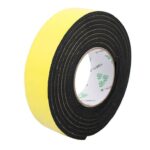
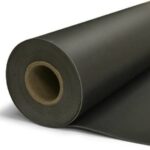
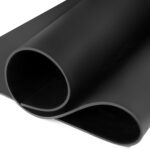
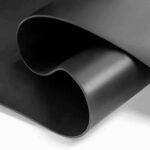
Mass Loaded Vinyl (MLV) is a highly effective soundproofing material designed to block and reduce sound ransmission. It is made from a combination of high-density materials, typically PVC (polyvinyl chloride) and other additives, that give it the mass needed to absorb and block airborne sound waves. MLV is flexible, durable, and easy to install, making it a popular choice in both residential and commercial soundproofing applications.
MLV is an effective solution for achieving high levels of sound isolation and is particularly useful in spaces where space is limited but high soundproofing performance is needed. It’s a great choice when combined with other soundproofing materials for a more comprehensive approach.
High-Density Material: MLV is made with a dense, flexible compound that helps block a wide range of sounds, including low-frequency noises. Thin & Flexible: Despite its high mass, MLV is thin and pliable, making it easy to install in various spaces, such as walls, floors, ceilings, or around pipes and ducts. Sound Isolation: Excellent at reducing noise transmission between rooms or from external sources, including traffic, machinery, and other environmental sounds. Durable & Long-Lasting: Resistant to wear and tear, MLV is built to last and provides lasting soundproofing benefits. Easy Installation: MLV can be easily attached to surfaces using adhesives, nails, or staples, and can be cut to fit the space as required.
Walls and Ceilings: Used for soundproofing between rooms, including in apartments or offices to reduce noise disturbance. Floors: Installed under carpet, hardwood, or tile to minimize impact sound. Home Theaters: Helps enhance audio quality by minimizing sound leakage and improving acoustics. Industrial Use: Ideal for soundproofing around machinery, HVAC systems, and pipes.
Superior Sound Absorption: Reduces reverberation and improves acoustics. Aesthetic Flexibility: Available in multiple sizes, and finishes to complement any space. Cost-Effective: An affordable way to enhance room acoustics and control noise. Long-Lasting: Durable and resistant to wear, providing long-term performance.
Design Better, Shape Better
A Complete Sound Proofing Solution
All Types of Gripper Fabric, Gypsum, Ceiling and Acoustic Material available.
9 AM TO 9 PM
9 AM TO 9 PM
© 2025 StarGripper.in